-

Our Final Pre-Order – The End of the Ride
More than 13 years ago, we launched our first pre-order. Today, we’re announcing our last and letting you know that FLO is coming to an end. Once the current inventory has sold and all pre-orders have shipped, we will stop selling wheels. FLO has been a huge part of my life. It shaped my career,…
-

Wake Interaction: Can a Front Wheel’s Aerodynamic Profile Improve Rear Wheel Performance?
When we discuss aerodynamic performance in cycling, we often isolate individual components—the frame, handlebars, helmet, or wheels. However, cycling aerodynamics is inherently complex, involving intricate interactions between multiple components. Among these interactions, one frequently overlooked phenomenon is how the airflow created by your front wheel influences the aerodynamic performance of your rear wheel. At FLO…
-

The Rise of Mixed-Surface Events: Developing Specialized Wheels for Varied Terrain Races
The landscape of competitive cycling has evolved dramatically over the past decade, witnessing an exciting surge in popularity of mixed-surface events. Races combining paved roads, gravel paths, and even dirt trails have emerged, redefining the traditional boundaries between road cycling and mountain biking. Events like Unbound Gravel, Belgian Waffle Ride, and Grinduro exemplify this shift,…
-

Transient Aerodynamics: Why Steady-State Wind Tunnel Tests Are Part of the Equation
Every competitive cyclist or triathlete knows the critical role aerodynamics play in cycling performance. Reducing aerodynamic drag translates directly into saved watts, higher speeds, and improved race times. Traditionally, wind tunnels have been the gold standard for measuring aerodynamic performance. But while incredibly valuable, wind tunnels primarily provide steady-state data—conditions seldom replicated in real-world cycling.…
-
End of Service for 2012-2015 Wheels
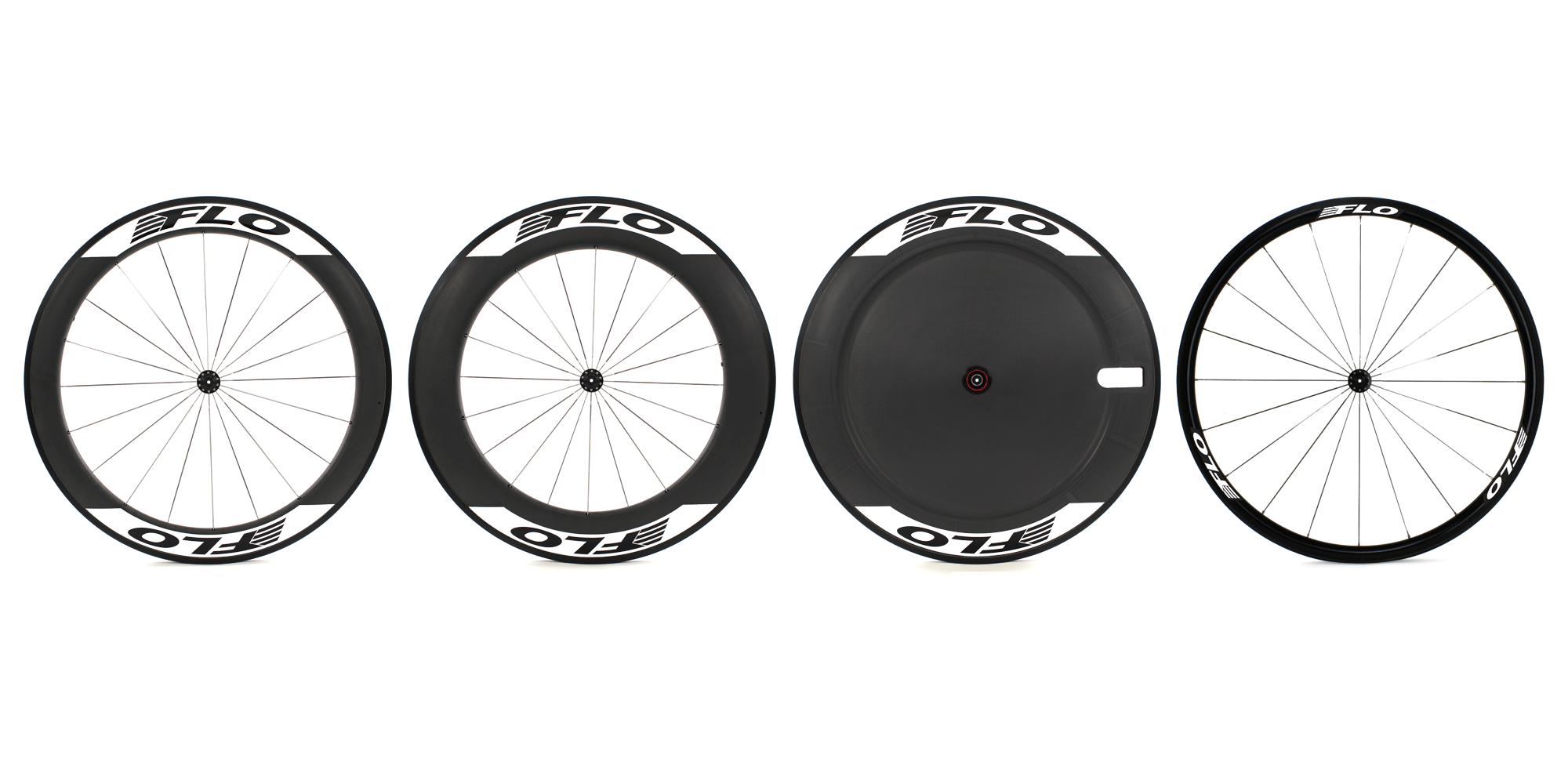
It’s hard to believe but our first generation of wheels has now been discontinued for 10 years. Historically, we’ve supported this product line when it comes to spare parts but we are announcing an end of service for these wheels. When the current inventory of spare parts has sold out, we will no longer be…
-

How Carbon Wheels Affect Power Transfer and Efficiency
Every dedicated cyclist understands the value of watts. From professional road racers to gravel adventurers, efficiently converting your hard-earned watts into forward motion is crucial. While factors such as aerodynamics and rolling resistance rightly dominate conversations, one essential aspect often overlooked is how carbon wheels influence power transfer and riding efficiency. As wheel engineers at…
-
Wheel Stiffness: How it Affects Handling, Comfort, and Speed
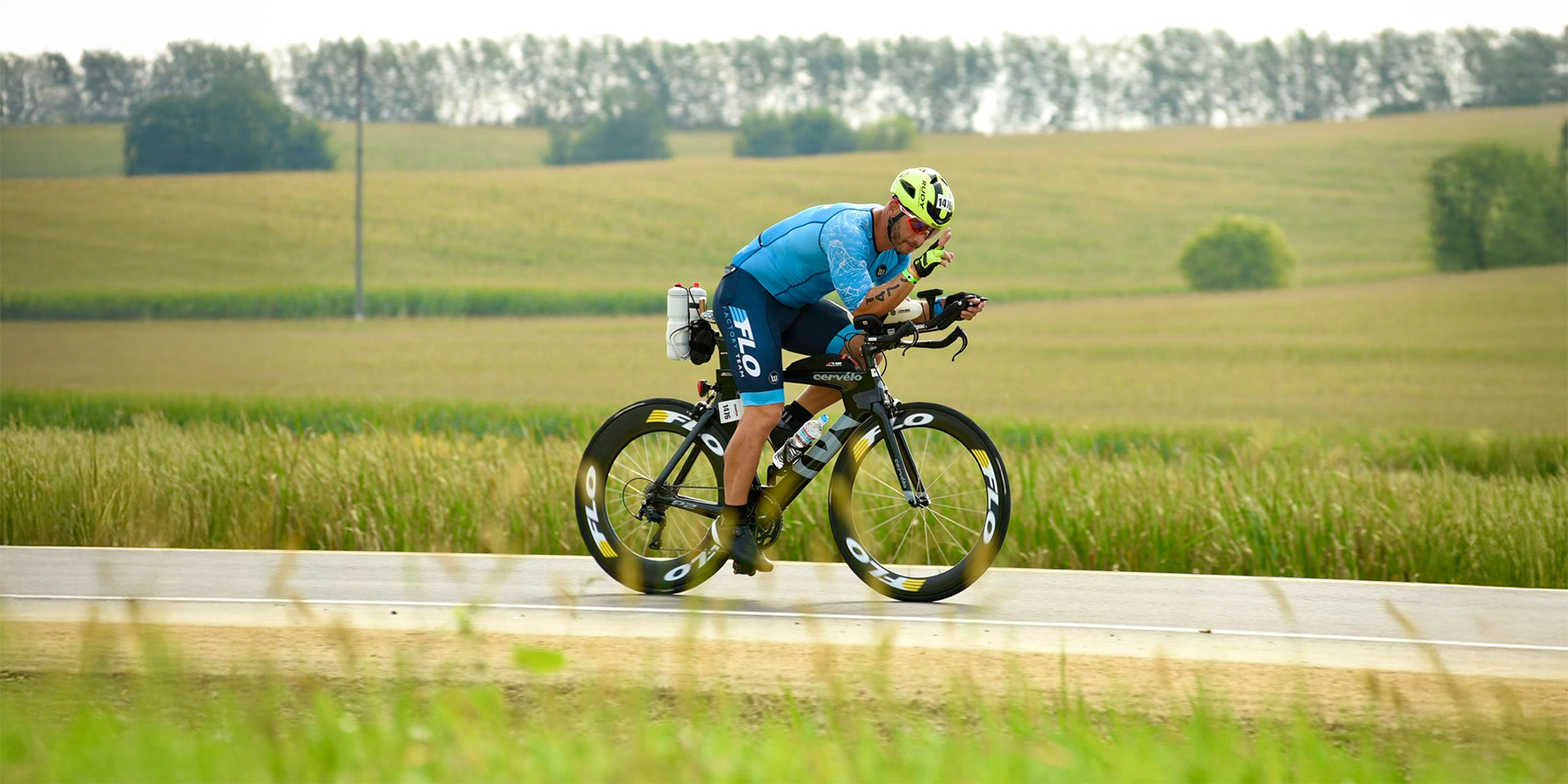
Every cyclist has experienced the remarkable sensation when their bike feels perfectly responsive—accelerating effortlessly, handling confidently, and comfortably absorbing road vibrations. Behind this ideal ride is one crucial and often misunderstood factor: wheel stiffness. At FLO Cycling, as wheel engineers, we design our wheels to achieve an optimal balance of stiffness and compliance, knowing precisely…
-

Understanding the Science of Airflow: Laminar vs. Turbulent Flow Around Your Wheels
As cyclists dedicated to improving performance, we obsess over watts. Saving watts means going faster, riding further, and experiencing less fatigue. But to truly maximize these marginal gains, we must deeply understand how our equipment interacts with the invisible yet ever-present factor—air. At FLO Cycling, we’ve dedicated countless hours to researching and refining wheel aerodynamics.…
-
Why Rolling Resistance Hits Harder on Gravel—And How the Right Tire Pressure Saves You Watts
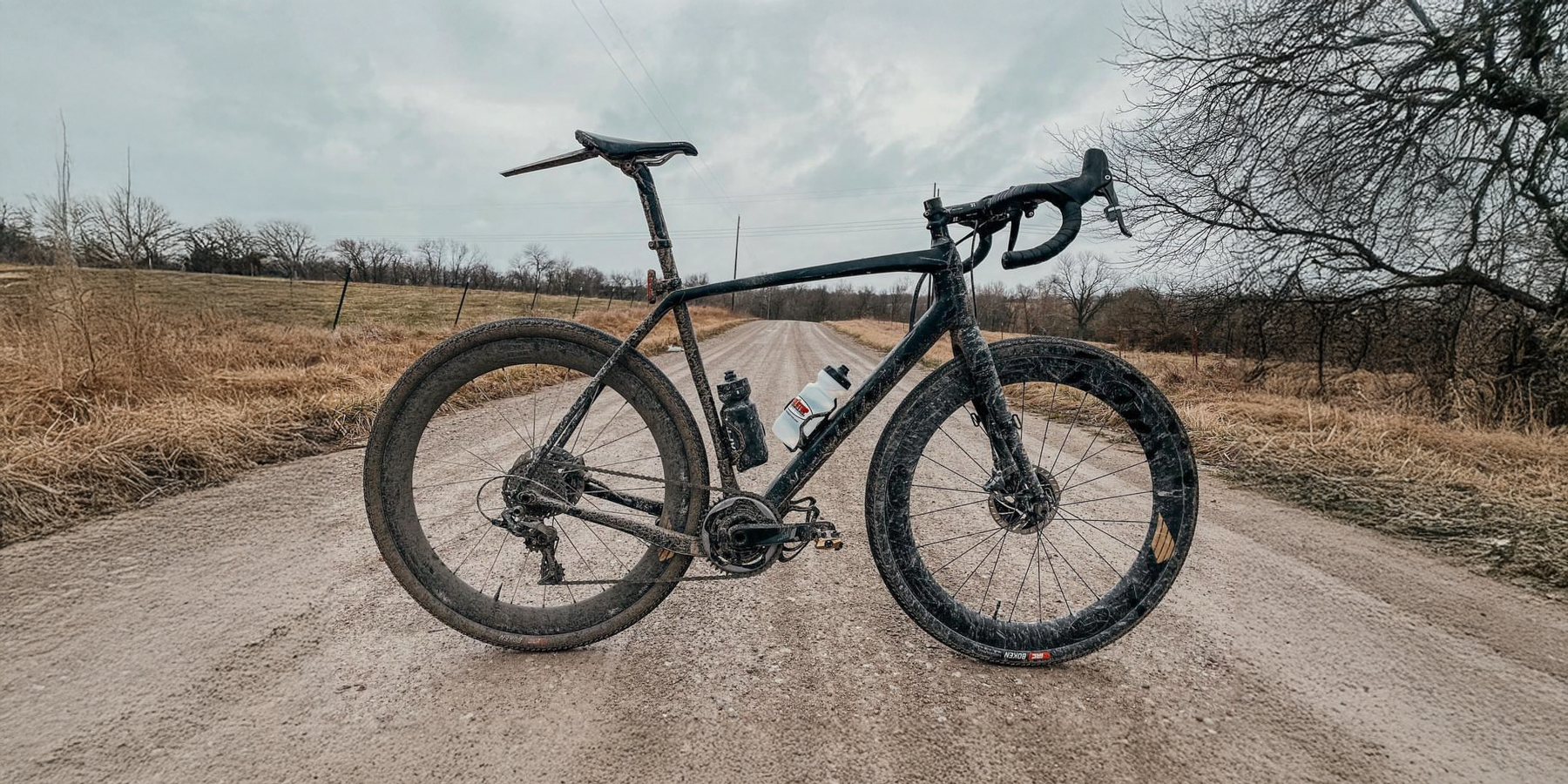
Rolling Resistance in One Line Engineers like first-principles. In its simplest form, rolling-resistance force is Frr=CrrN where Crr is the coefficient of rolling resistance and N is the normal load (your total weight on the wheels). Power lost is Prr=Frrv with your speed. Two variables—easy enough. On perfectly smooth pavement Crr can be as low…
-
Busting the Myth: Why a Smaller Front Tire Isn’t Faster
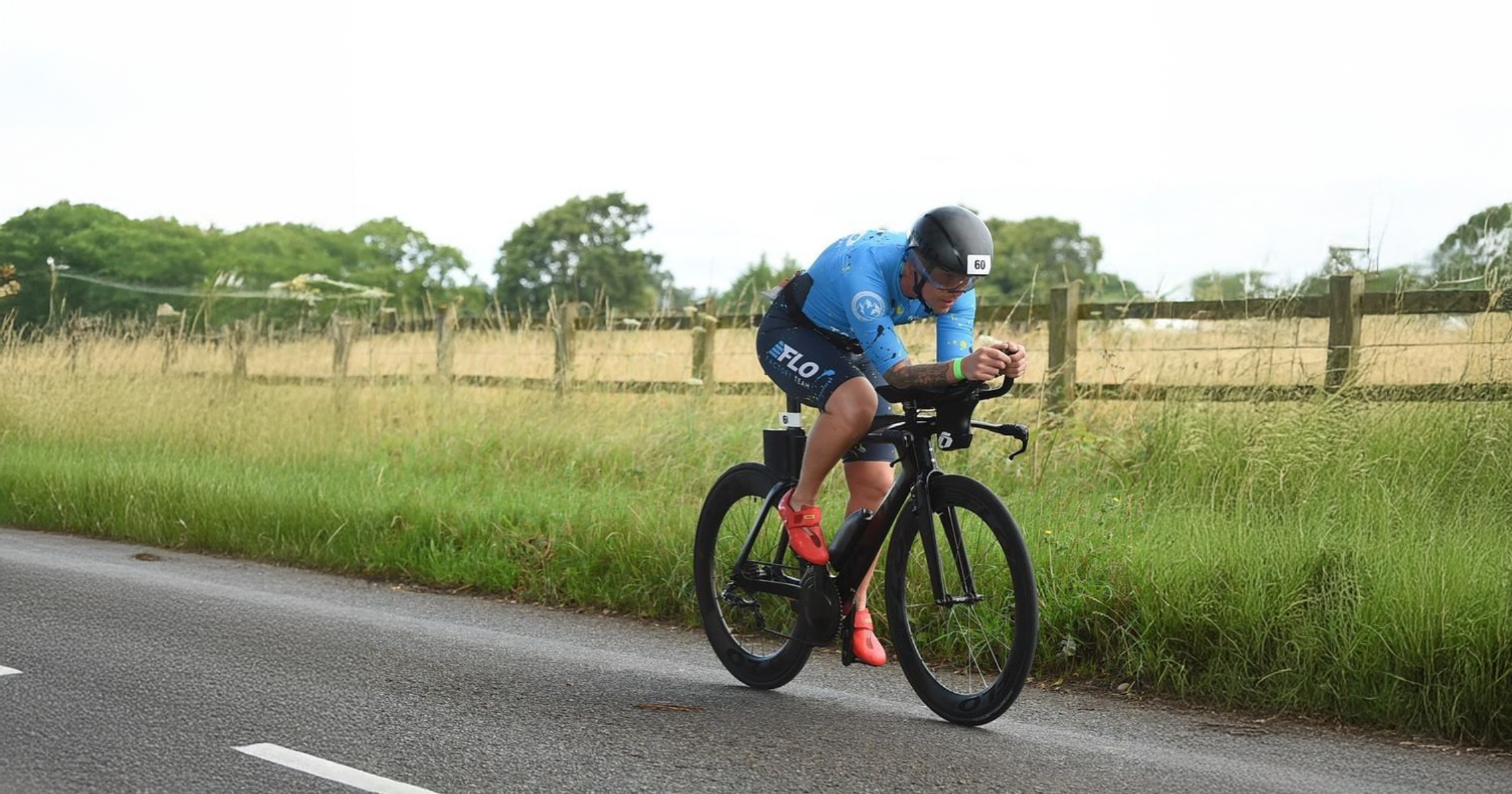
When optimizing cycling performance, every watt counts. Cyclists and triathletes obsess over watts saved through meticulous training plans, equipment choices, and aerodynamic improvements. A common myth that has circulated within cycling communities is that using a smaller, more “aero” front tire paired with a larger rear tire can improve overall speed. The logic is straightforward:…
-
Understanding Relative Wind, Yaw Angles, and Aerodynamic Performance in Cycling
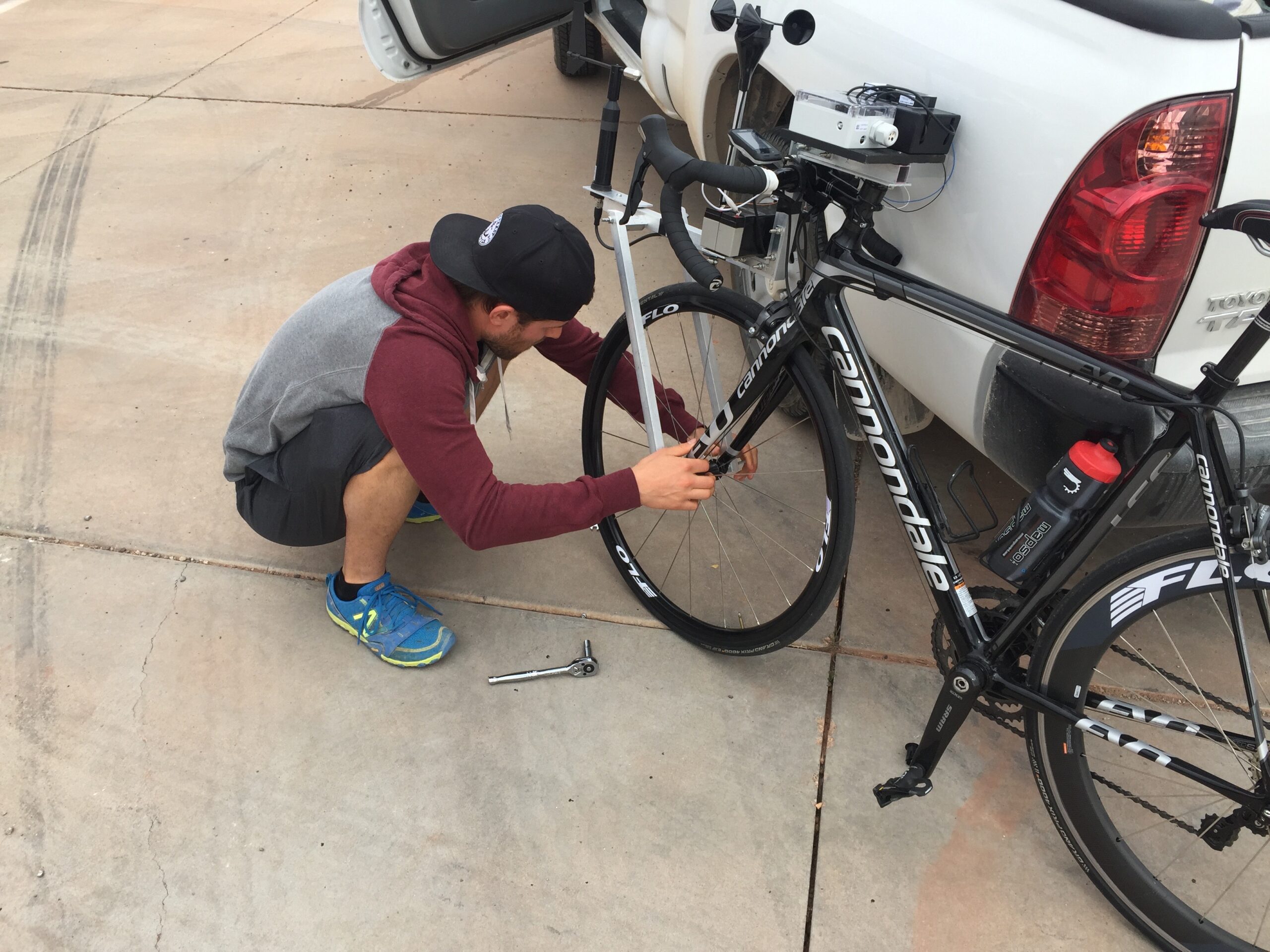
When you ride your bicycle, you’re not just moving through still air—far from it! The wind you actually feel as you pedal is the apparent or relative wind, which results from the combination of your ground speed and the prevailing wind. This phenomenon is very similar to what sailors experience. A sailboat sailing upwind (or…
-
Stabilizing a Bike with a Deeper Rear Wheel
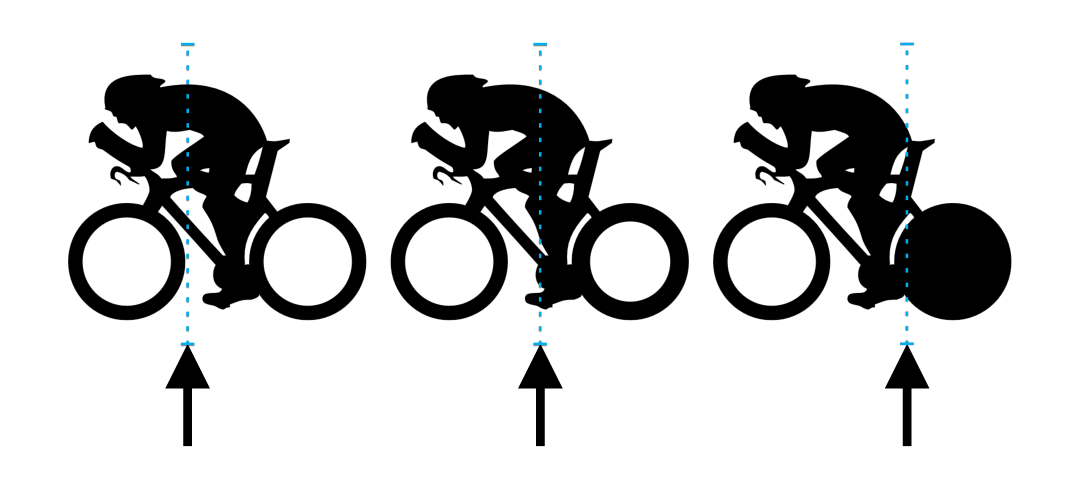
Whether you’re a seasoned triathlete dialed in to every last detail of your aero position, a road cyclist eager to upgrade your ride, or a gravel grinder looking for an edge on those windy backroads, understanding how different wheel depths affect handling is key. In many parts of the cycling world, deep-section wheels are prized…
-
1x vs 2x Groupsets – Which Drive-Train is Better?
As a wheel manufacturer, we get a lot of questions about the correct cassette to use for a wheel. With the introduction of 1x, the options have expanded, making them even more confusing. Most people think of the rear cassette in terms of “how easy it will be for me to get up a hill?”…