
Tag: FLO Research & Development
-
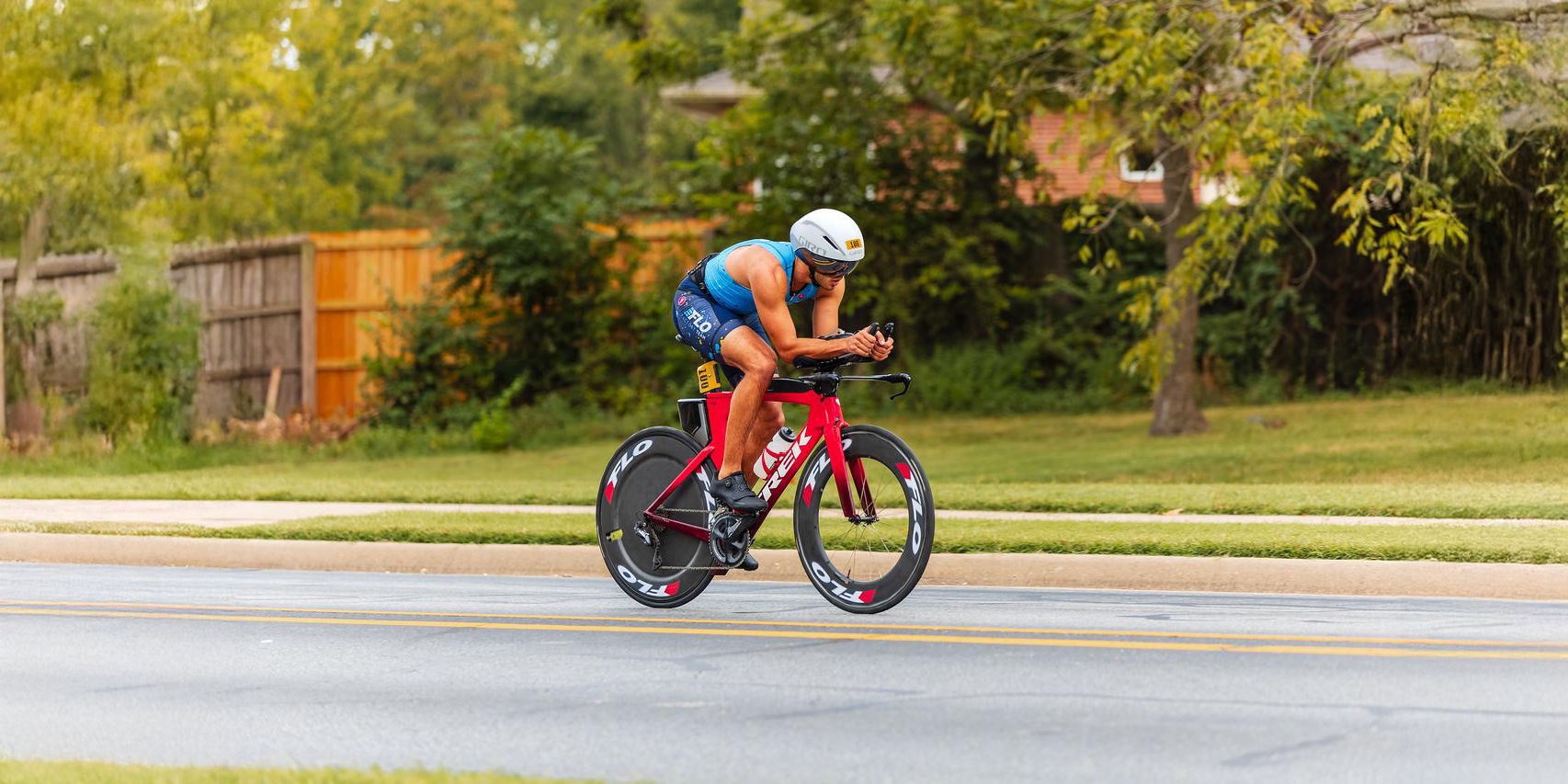
Wake Interaction: Can a Front Wheel’s Aerodynamic Profile Improve Rear Wheel Performance?
When we discuss aerodynamic performance in cycling, we often isolate individual components—the frame, handlebars, helmet, or wheels. However, cycling aerodynamics is inherently complex, involving intricate interactions between multiple components. Among these interactions, one frequently overlooked phenomenon is how the airflow created by your front wheel influences the aerodynamic performance of your rear wheel. At FLO…
-
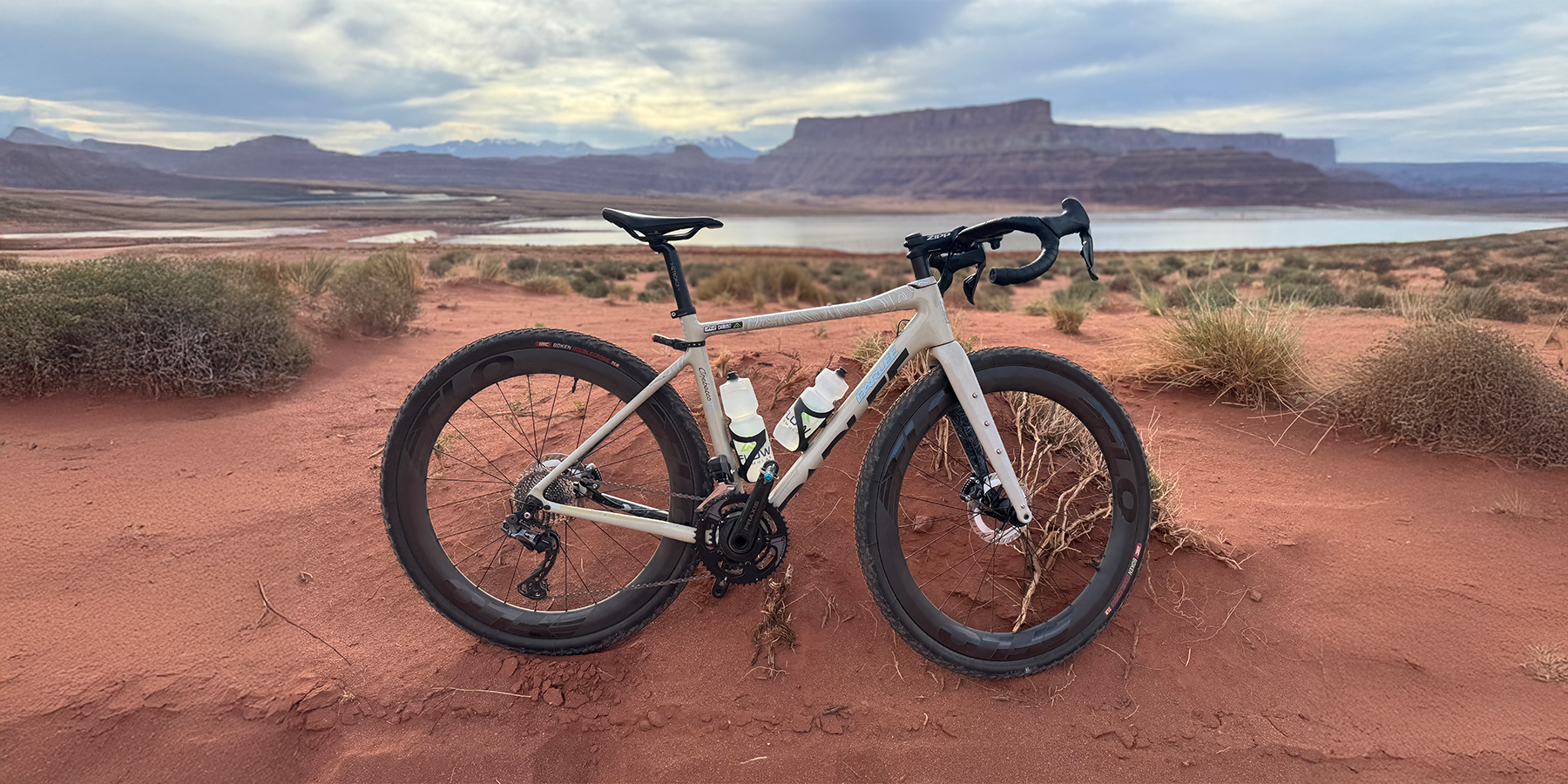
The Rise of Mixed-Surface Events: Developing Specialized Wheels for Varied Terrain Races
The landscape of competitive cycling has evolved dramatically over the past decade, witnessing an exciting surge in popularity of mixed-surface events. Races combining paved roads, gravel paths, and even dirt trails have emerged, redefining the traditional boundaries between road cycling and mountain biking. Events like Unbound Gravel, Belgian Waffle Ride, and Grinduro exemplify this shift,…
-
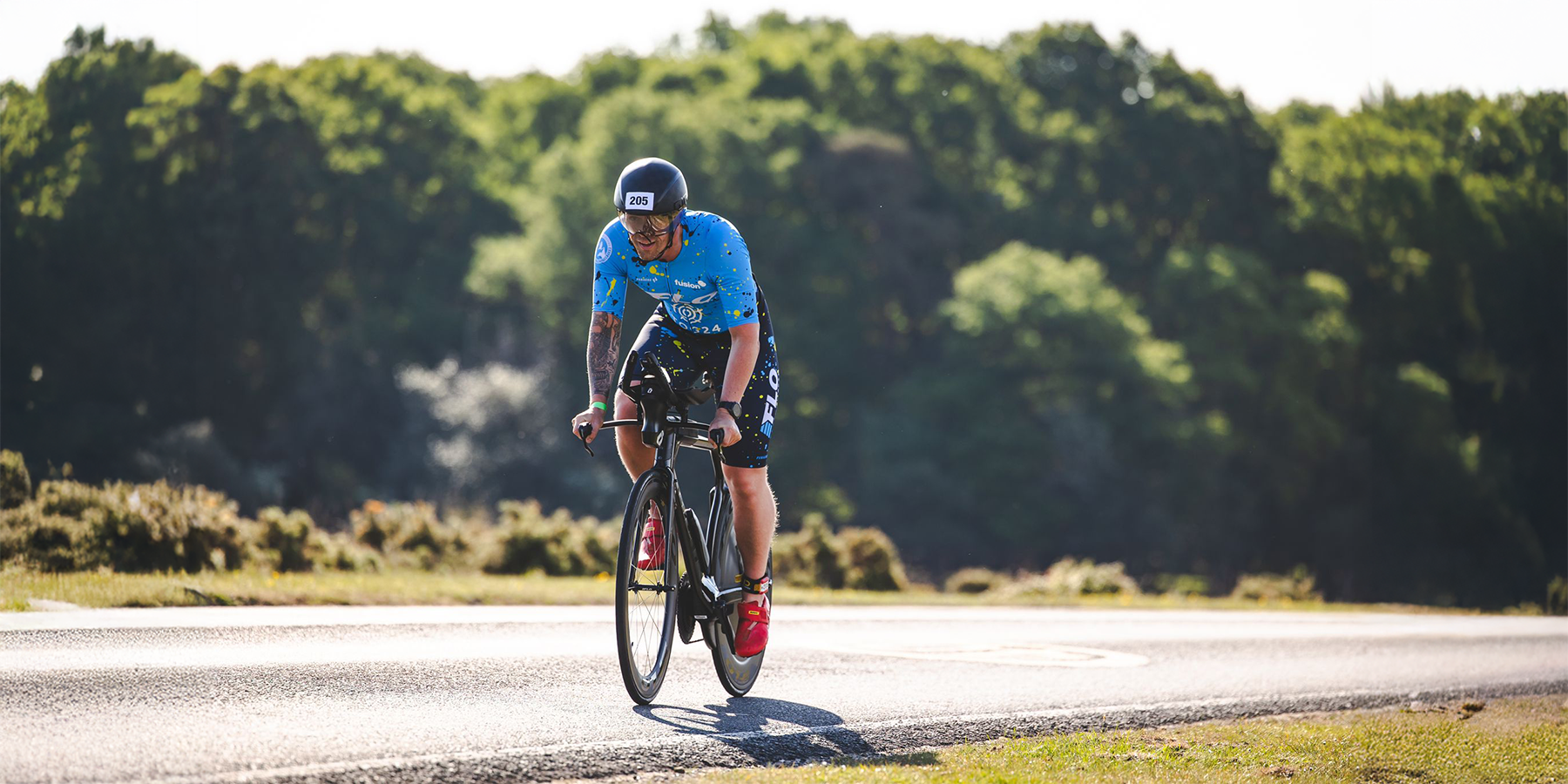
Transient Aerodynamics: Why Steady-State Wind Tunnel Tests Are Part of the Equation
Every competitive cyclist or triathlete knows the critical role aerodynamics play in cycling performance. Reducing aerodynamic drag translates directly into saved watts, higher speeds, and improved race times. Traditionally, wind tunnels have been the gold standard for measuring aerodynamic performance. But while incredibly valuable, wind tunnels primarily provide steady-state data—conditions seldom replicated in real-world cycling.…
-
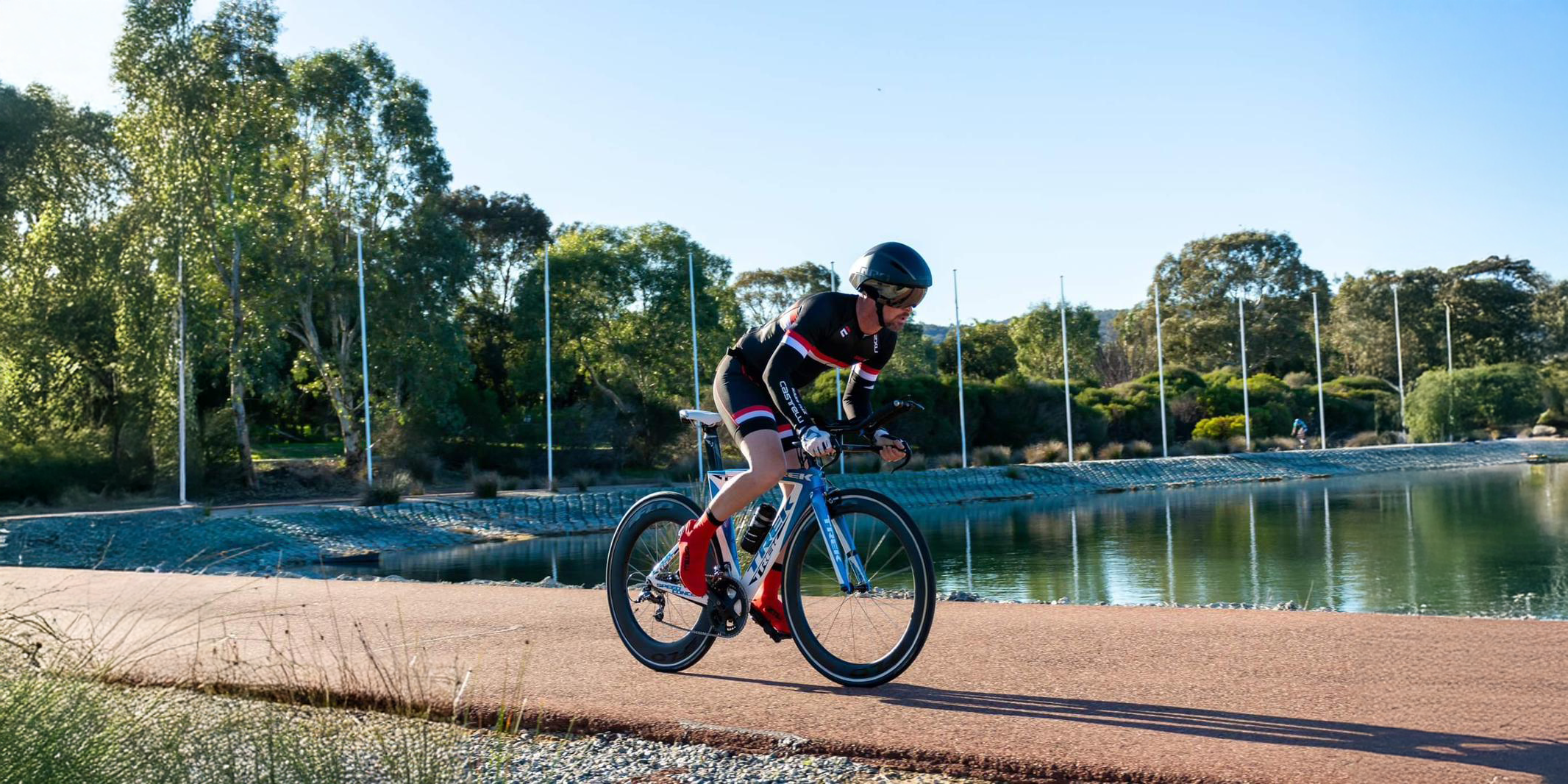
How Carbon Wheels Affect Power Transfer and Efficiency
Every dedicated cyclist understands the value of watts. From professional road racers to gravel adventurers, efficiently converting your hard-earned watts into forward motion is crucial. While factors such as aerodynamics and rolling resistance rightly dominate conversations, one essential aspect often overlooked is how carbon wheels influence power transfer and riding efficiency. As wheel engineers at…
-
Wheel Stiffness: How it Affects Handling, Comfort, and Speed
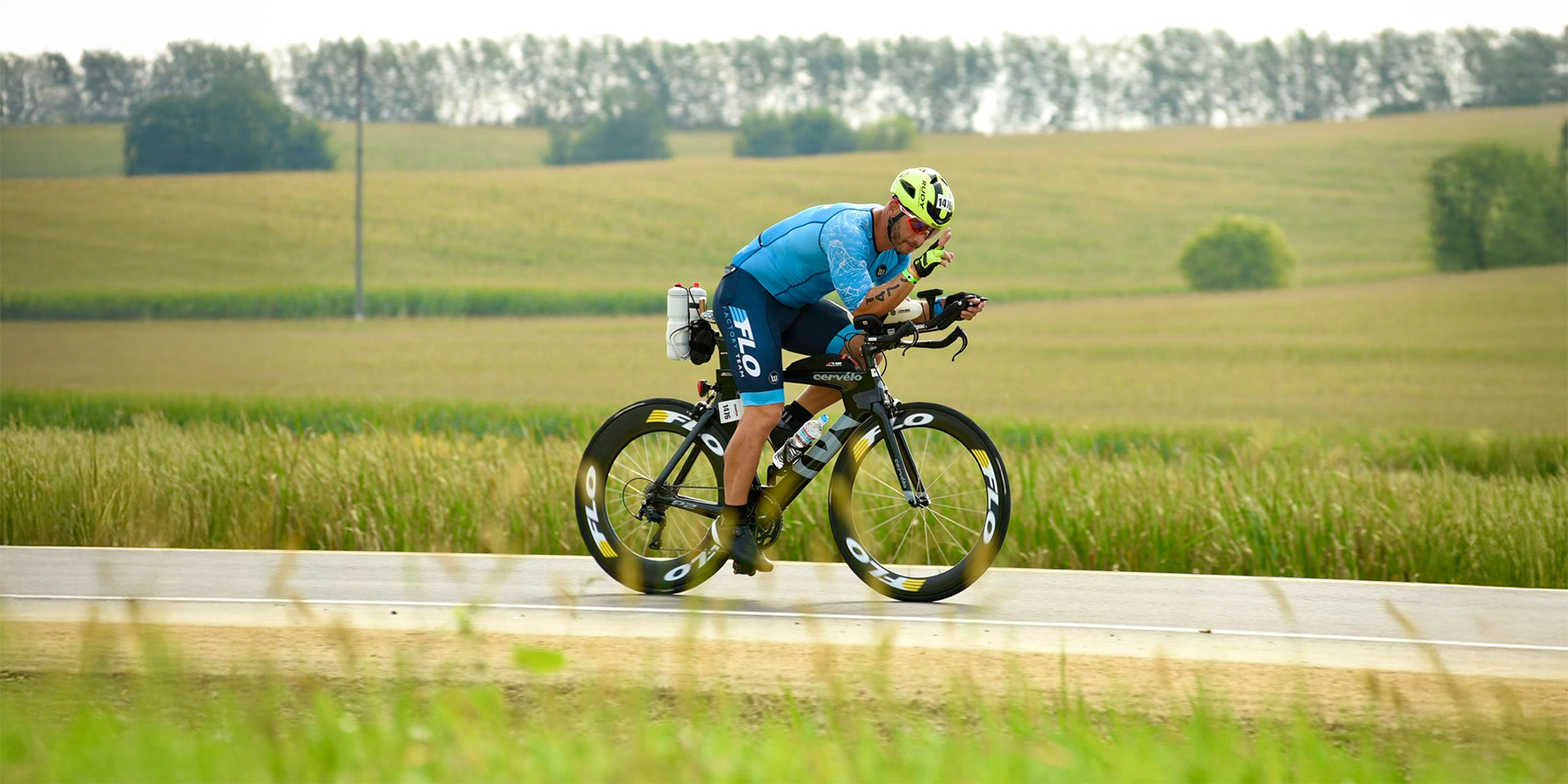
Every cyclist has experienced the remarkable sensation when their bike feels perfectly responsive—accelerating effortlessly, handling confidently, and comfortably absorbing road vibrations. Behind this ideal ride is one crucial and often misunderstood factor: wheel stiffness. At FLO Cycling, as wheel engineers, we design our wheels to achieve an optimal balance of stiffness and compliance, knowing precisely…
-
FLO Gravel Wheel Design #13 – On Road Rolling Resistance
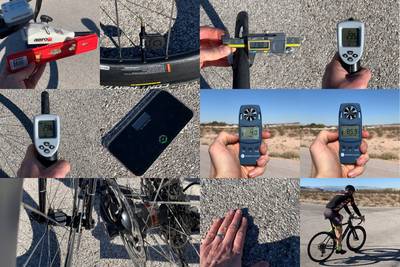
We had two questions when we started designing the gravel wheel series; one, “can a gravel wheel be aerodynamic?” and two, “Can we design a rim that lowers rolling resistance?” In Part 12 of the Gravel Wheel Design Journey, we showed we could improve the aerodynamic efficiency of a gravel wheel and save you 5-6…
-

Understanding Being Aero & Watts For Cyclists
We commonly hear the phrase “be aero” in the cycling world, but what does it really mean? The quick answer, “being aero” is when the watts you put into the pedals are used to move you forward and not used to overcome drag, therefore making you faster. We already know that being aero is important;…
-

FLO Gravel Wheel Design #11 Can Gravel Wheels Be Aero?
Can Gravel Wheels Be Aerodynamic? We at FLO have a founding belief that aerodynamic cycling wheels for road and triathlon can be affordable. Since aerodynamics are part of our roots, one of the first questions we asked when designing the gravel wheels was, “Can gravel wheels be aerodynamic?” We observed gravel events like the Dirty…
-
Studying Bike Tires Part 1, Logging Data
For a while now, I’ve wanted to study the aerodynamic performance of tires on the road. We’ve done a bit of work in a wind tunnel, which is great, but it’s not the real world. In order to get the job done, we needed a way to log data on the road. Quite some time…
-
Studying Bike Tires Part 2, Elevation Data
I’ve learned a lot since I posted “Studying Tires Part 1, Logging Data.” I mentioned that I believed there was either a shift in the barometric pressure, or that the absence of temperature and humidity were the reason for the shift in my driveway’s elevation. Today I have the results. A 12-Hour…
-
Studying Bike Tires Part 3 Mounting The Logger
Last week I mentioned I was going to be busy in my garage making a mount for the data logger and sensors. Well, I have been. Here is what I have so far. The Basic Construction I thought about what to build this with and after looking at aluminum, pvc, plastic, etc.,…
-
Studying BIke Tires Part 4, Relative Velocity
This week we have new parts. I just received a new wind speed sensor. If you are wondering why, I’d guess you are not alone. While a Garmin will give us great data on rider speed, it will not give us any information on relative velocity. For example, if you are riding 20 mph into…
-
Studying Bike Tires #5 Wind Direction
The wind direction sensor I have been waiting for has finally arrived from Germany. It’s made by a company called Lufft and is accurate to +/- 1 degree. There are a number of wind direction options but most fall into the +/- 5 degree range. Since the yaw angle spread on a bike is…